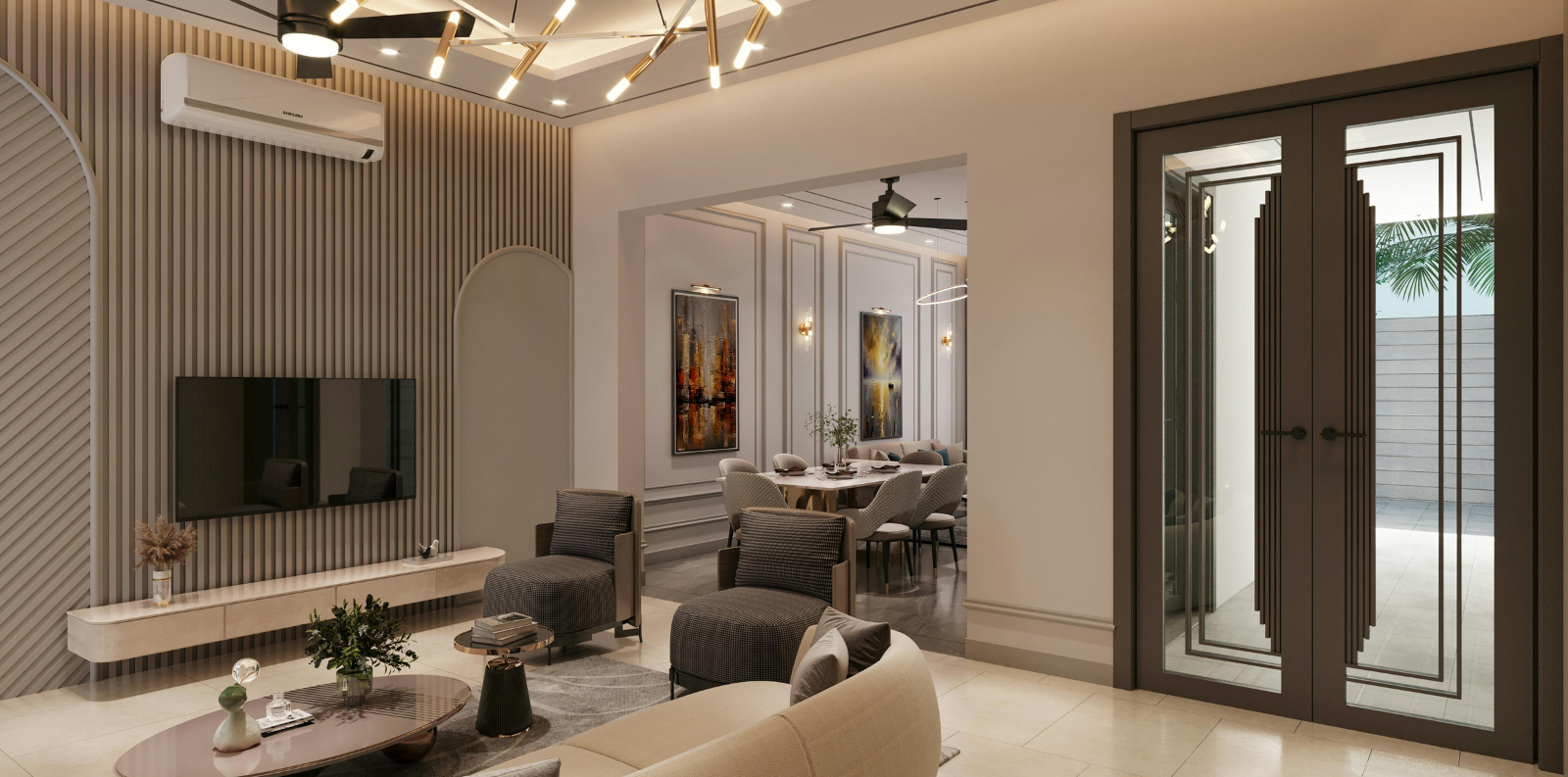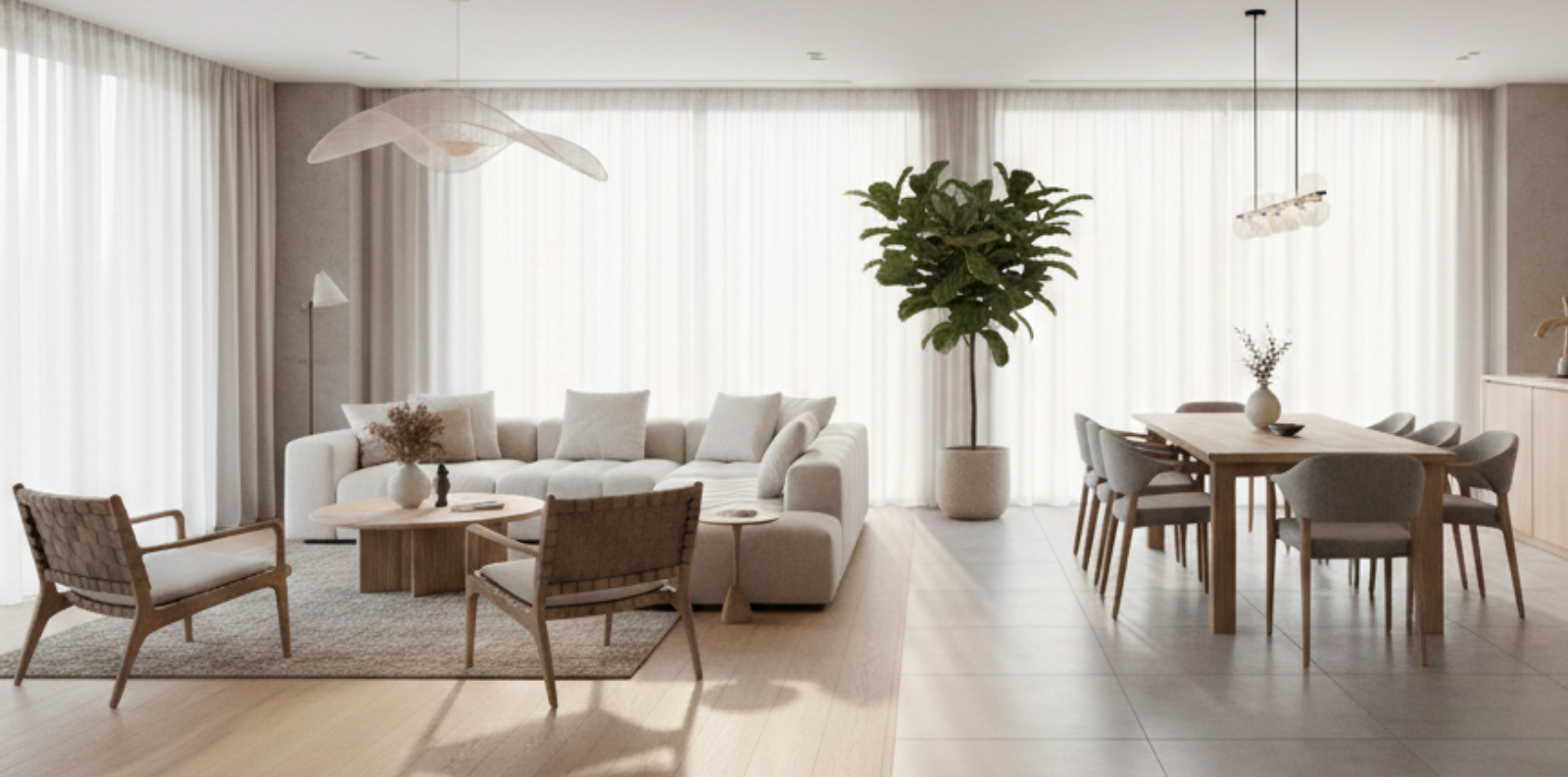

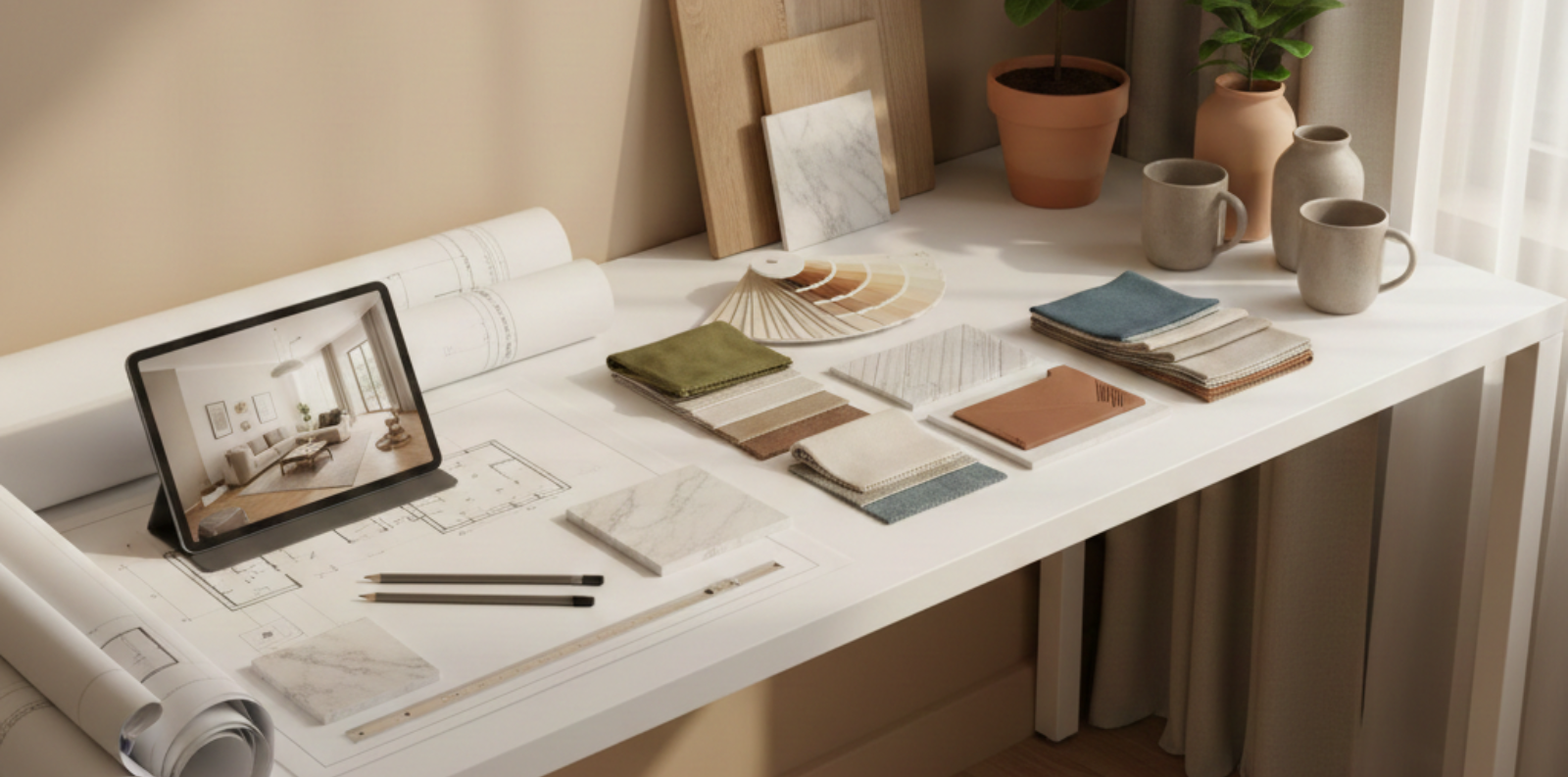
Interior design is much more than choosing colors, arranging furniture, or selecting décor elements. At its core, it is about shaping the way people experience their homes, workplaces, and the environments they move through every day. A thoughtfully designed space can influence mood, productivity, comfort, and even social interaction. Understanding how design affects daily life is essential for creating interiors that are not only beautiful but also meaningful and functional.
Design Begins With Understanding How People Live
A space should reflect the habits, routines, and lifestyle of its users. This is why good design starts with observation and understanding. How do people move through the space? What do they value—calm, luxury, simplicity, efficiency? What activities take place throughout the day?
Designing around these insights leads to interiors that feel intuitive rather than forced. When a space supports the way people naturally live, it becomes more comfortable, efficient, and enjoyable.
The Role of Light in Enhancing Space
Light—both natural and artificial—plays an essential role in defining the atmosphere of a room. Natural light can open up spaces, brighten moods, and highlight textures. Artificial lighting, when layered thoughtfully, can create depth, warmth, and a sense of balance.
Different zones within a home or commercial environment benefit from distinct lighting strategies:
- Task lighting improves focus
- Ambient lighting creates softness
- Accent lighting highlights features or art
Together, these layers bring harmony and functionality to the entire design.
Material Choices Affect More Than Appearance
Materials influence the way we feel in a space. Warm woods create comfort, metals add modernity, and soft fabrics introduce calm and tactility. A well-curated material palette brings cohesion and character to the environment.
Durability and maintenance also matter. Spaces that rely on long-lasting, high-quality materials remain visually appealing and easy to manage over time.
Furniture and Layout Define Movement and Experience
The arrangement of furniture guides circulation and supports how people interact with each other. A well-planned layout ensures there are no awkward dead zones or cramped areas. It also improves usability, making everyday routines smoother.
For example:
- Living rooms arranged for conversation feel more inviting
- Dining areas placed near natural light feel warmer and more enjoyable
- Workspaces with clear zoning reduce distraction and improve focus
When layout and furniture placement are intentional, the entire environment feels more harmonized.
Color and Mood Are Closely Connected
Color psychology is a powerful design tool. Soft neutrals often create calm, while deeper tones can add richness and drama. Greens encourage a sense of balance, and blues can feel serene and refreshing.
A cohesive color palette helps create a unified design language across different rooms. When thoughtfully applied, color enhances both mood and identity within the space.
The Importance of Functionality in Design
A beautiful space is valuable, but a functional space is essential. Storage solutions, circulation routes, lighting access, acoustics, and furniture ergonomics all determine how well a room supports its purpose.
Functionality ensures:
- Less visual clutter
- More efficiency
- Greater comfort
- A space that adapts to daily needs
When design addresses function, beauty follows naturally.
Design as a Reflection of Lifestyle and Identity
Every space tells a story. The choices people make in their homes or workplaces—textures, colors, lighting, materials—mirror their tastes, aspirations, and lifestyle. A well-designed interior becomes an extension of the individual or brand identity.
Spaces that feel personal and authentic become more meaningful. They create emotional comfort and a sense of belonging, which is the ultimate goal of interior design.
A Thoughtful Approach to Creating Better Spaces
Interior design shapes how people feel, move, and connect within their environment. A thoughtful design approach considers light, materiality, planning, and emotional experience. It creates spaces that enrich everyday life, support wellness, and encourage meaningful interactions.
Design, when done with intent, has the power to transform ordinary moments into enriching experiences.