
Material selection is one of the most powerful tools in architecture and interior design. Beyond aesthetics, materials influence how a space feels, functions, and ages over time. They determine warmth, texture, durability, acoustics, and emotional experience. Understanding materiality allows designers to craft interiors with clarity, purpose, and character.
Materials communicate identity—they shape the personality of a home, the professionalism of a workspace, or the ambience of a hospitality environment. When chosen thoughtfully, they create an atmosphere that enhances everyday living and supports long-term comfort.
Materiality as a Foundation of Design
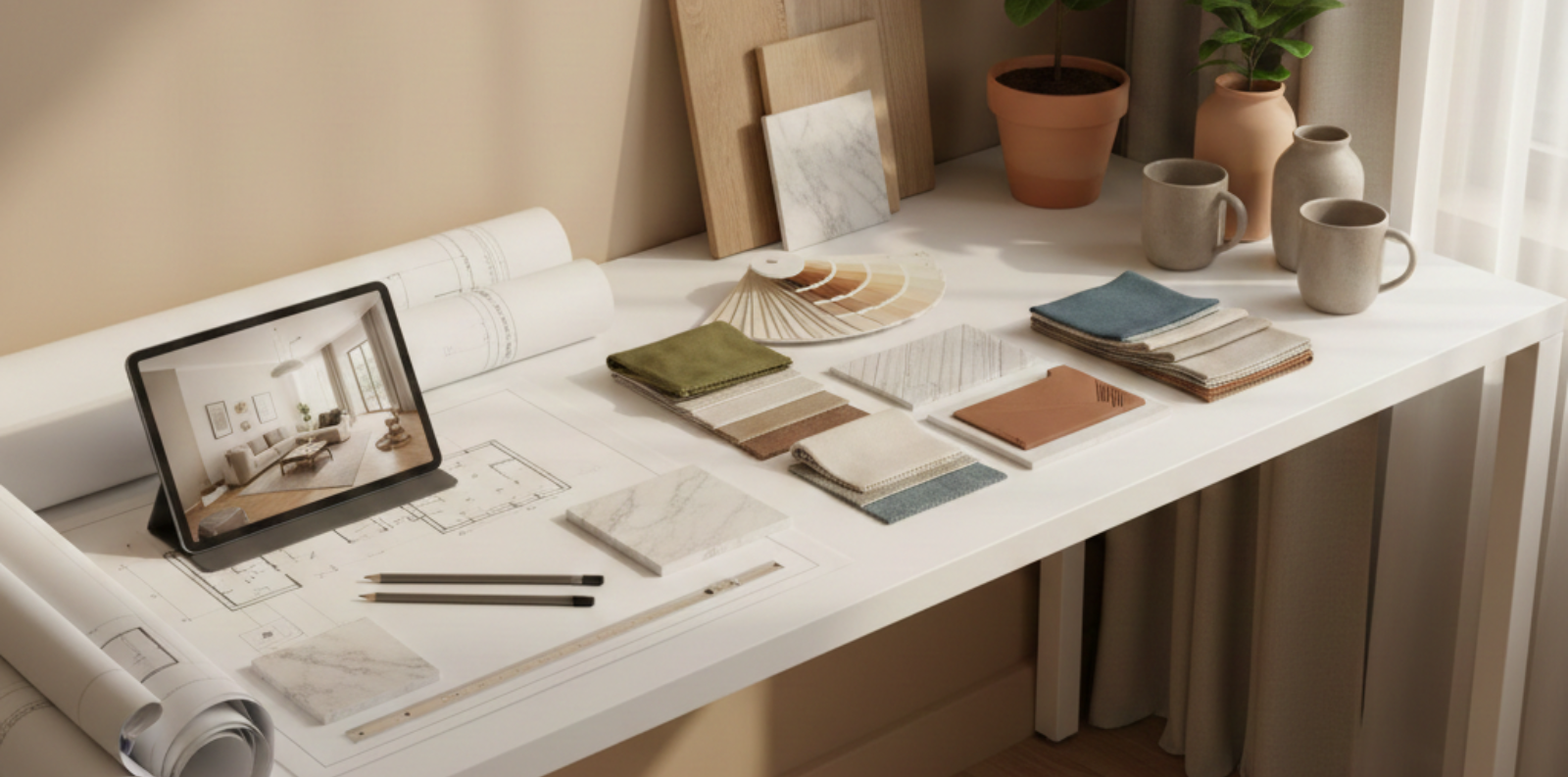
Every space begins with a material palette. Whether it is the quiet elegance of natural stone, the warmth of wood, or the crisp modernity of metal and glass, materials set the tone for the entire interior.
A strong material foundation provides:
- Visual harmony across rooms
- A sense of continuity
- Emotional comfort and familiarity
- Functional durability for daily use
When materials complement each other, the space feels coherent and balanced.
The Emotional Impact of Material Choices
Materials shape mood. Smooth marble surfaces evoke luxury and refinement. Soft fabrics create comfort and relaxation. Raw textures such as exposed brick or unfinished timber add warmth and authenticity.
Designers often use materials to influence emotional response:
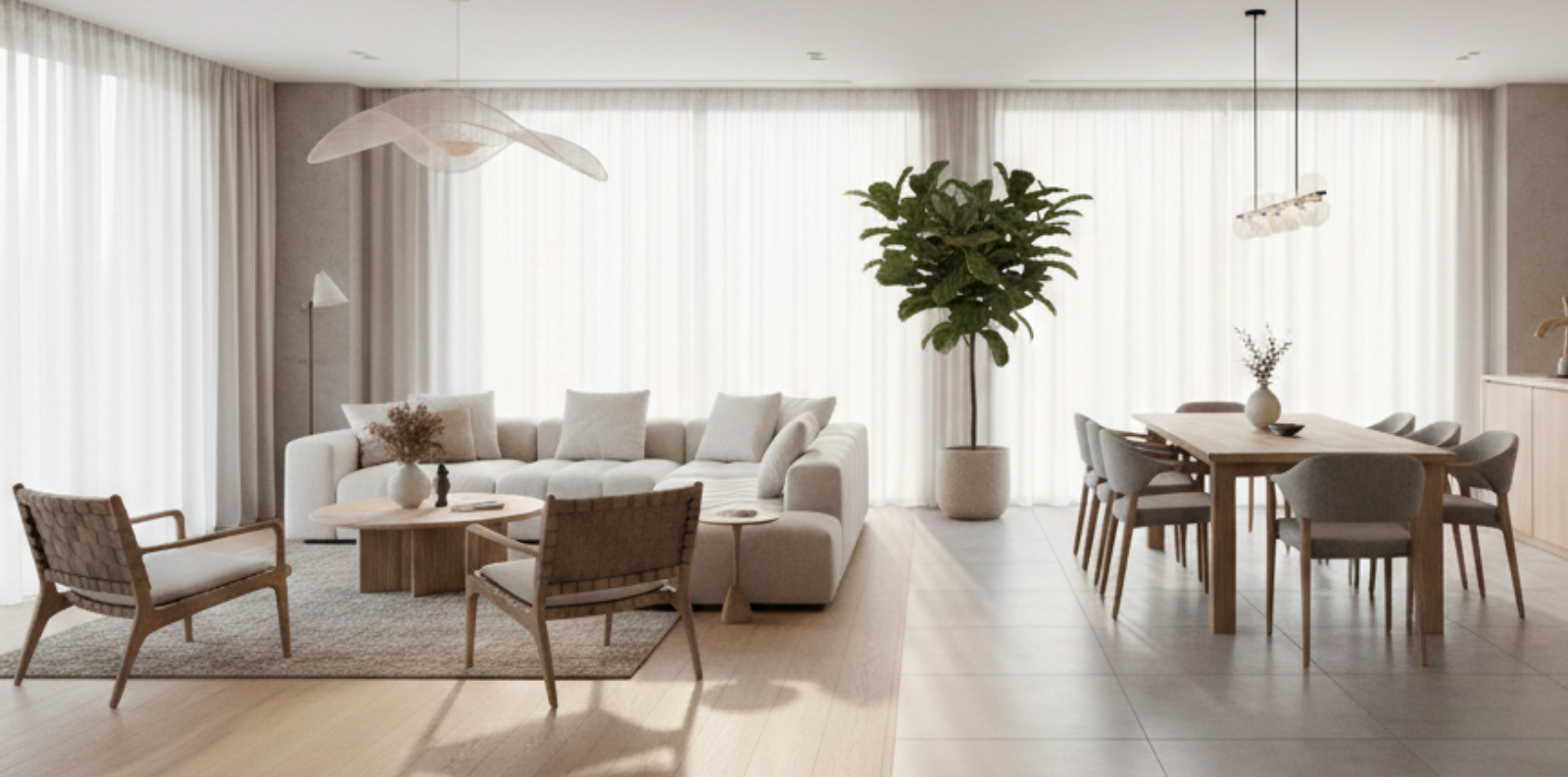
- Calming tones such as beiges, creams, and light woods promote serenity
- Textured finishes create depth and tactile richness
- Polished surfaces convey sophistication
- Matte finishes encourage softness and visual calm
Materiality becomes a language that expresses the soul of a space.
Natural Materials and Their Enduring Appeal
Natural materials remain timeless because they age gracefully and connect interiors with the organic world. Wood, stone, linen, and clay finishes bring warmth, grounding, and a sense of authenticity that synthetic materials struggle to match.
Their benefits include:
- Variations in texture, making spaces feel alive
- Improved acoustics
- Environmental sustainability
- A warm, human-centered atmosphere
Natural materials make spaces feel lived-in, comfortable, and emotionally rooted.
Balancing Durability With Aesthetics
Different spaces require different performance levels. High-traffic areas, kitchens, and commercial environments need surfaces that withstand wear, stains, and moisture. Bedrooms and living rooms may prioritize softness and comfort.
A thoughtful designer balances beauty with durability by choosing materials that support long-term usability while maintaining aesthetic integrity. This ensures the space remains functional and visually pleasing for years.
Layering Materials for Depth and Character
Layering is a subtle but powerful technique. Combining different textures, tones, and finishes adds dimension and richness to an interior.
Examples of effective layering include:
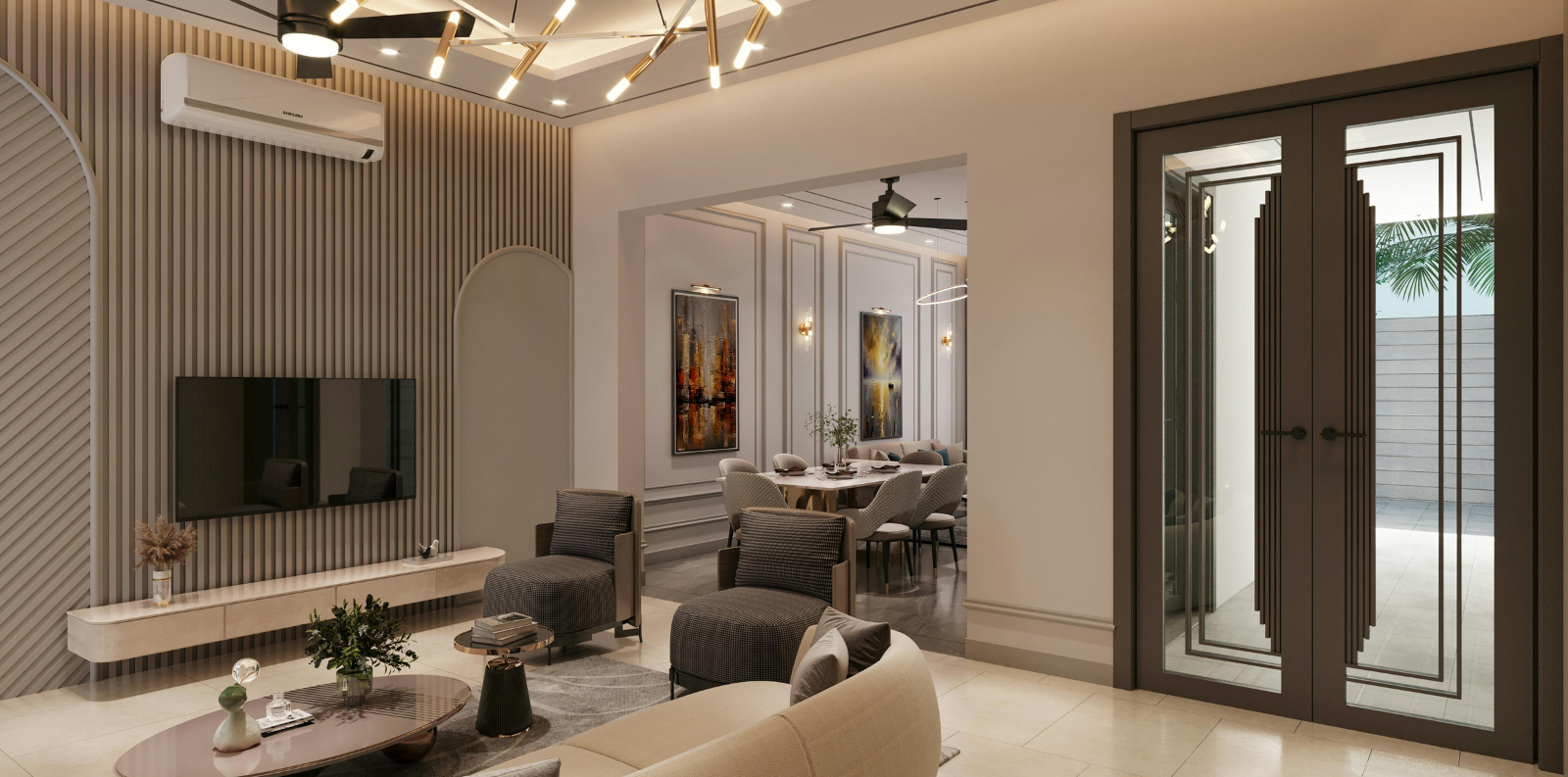
- Matte walls paired with polished stone flooring
- Wood ceilings combined with fabric upholstery
- Metal accents contrasting with warm natural textures
- Soft rugs grounding smooth furniture edges
These combinations create visual rhythm and invite tactile interaction.
Sustainability and Responsible Material Selection
Modern interior design increasingly considers the environmental impact of materials. Designers now prioritize:
- Low-VOC finishes
- Recycled or reclaimed materials
- Energy-efficient manufacturing
- Locally sourced elements
Sustainable material choices not only reduce environmental harm but also promote healthier indoor environments.
Materiality as Storytelling
Every material tells a story. The grains in timber, the veins in marble, the patina in aged metal—each carries history, personality, and character. When arranged intentionally, materials create a narrative that feels personal and meaningful.
The identity of a space emerges not from a single element but from how materials interact, contrast, and complement one another. Thoughtful combinations create a memory, a feeling, and a lasting impression.
Designing With Intention Through Materials
Materiality is more than a visual strategy—it is an essential framework for shaping atmosphere, identity, and experience. By understanding how materials influence emotion, durability, and function, designers craft environments that are both expressive and enduring.
When chosen with care, materials have the power to define the essence of a space, shaping how people live, feel, and connect within it.