
Spatial planning is one of the most fundamental elements of interior design, yet it is often overlooked. A well-planned layout influences how people move, interact, and feel within a space. It shapes comfort, functionality, and the emotional rhythm of everyday living. Understanding the principles of spatial planning allows designers to create interiors that feel natural, harmonious, and deeply intuitive.
Why Spatial Planning Matters
Every interior has a purpose, whether it is a home, restaurant, office, or hotel. The arrangement of furniture, circulation paths, openings, and functional nodes determines whether that purpose is fulfilled efficiently. Poor planning can make even a large space feel cramped, while thoughtful planning can make a small space feel open and inviting.
Good spatial planning considers:
- How people enter and exit a space
- How they move within it
- How different zones interact
- How furniture supports daily activities
- How natural light flows
When these elements align, the interior becomes supportive, flexible, and enjoyable.
Understanding Human Movement Patterns
People naturally follow certain movement patterns inside a space. Designers study these patterns to avoid obstacles, eliminate dead corners, and support ease of use. Pathways should feel intuitive, with enough clearance to move comfortably without disrupting functional areas.
For example:
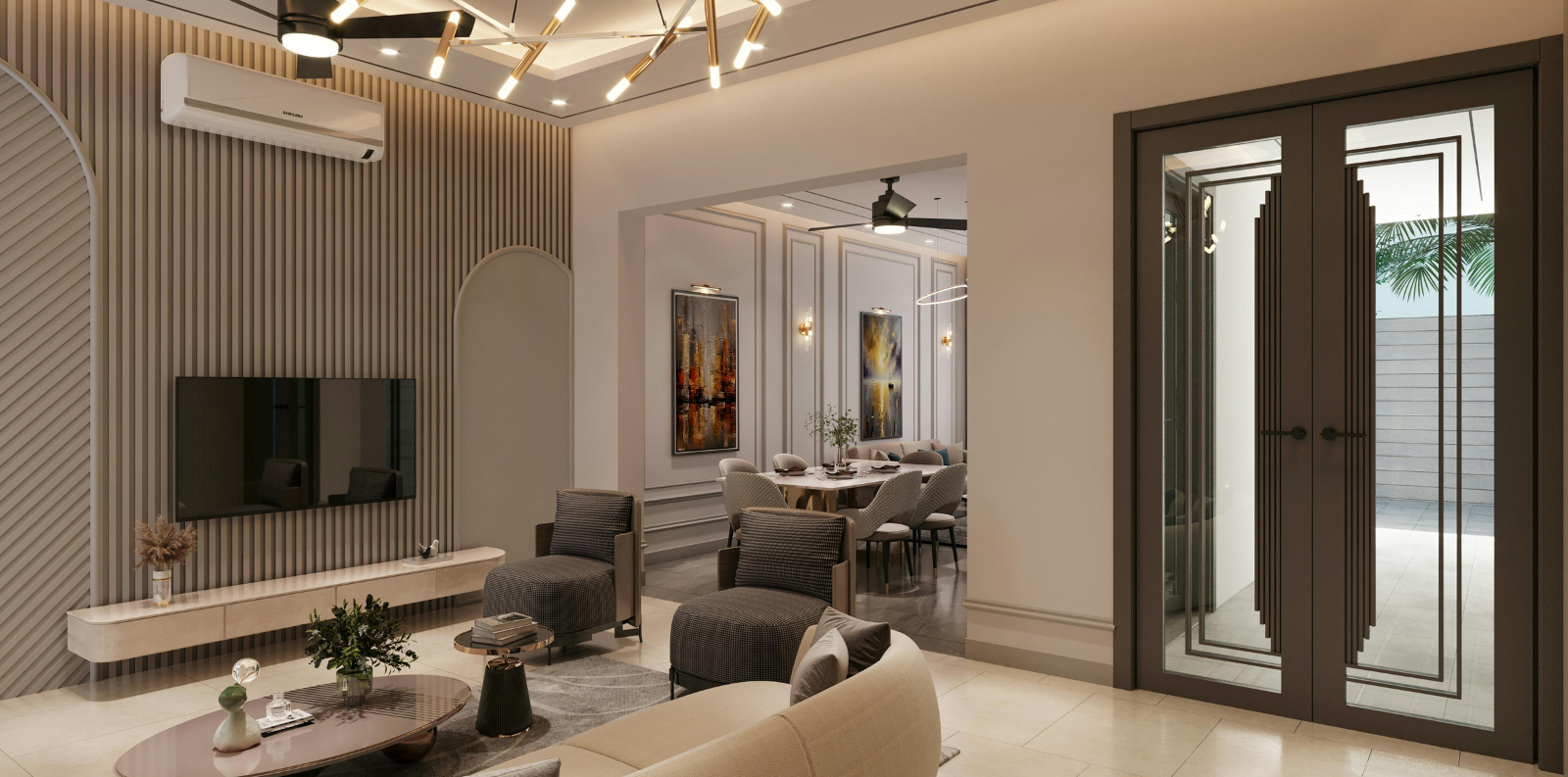
- In living rooms, circulation should not cut across conversation zones
- In kitchens, the stove–sink–refrigerator triangle improves efficiency
- In offices, movement should not disturb focused work areas
Designing with movement in mind ensures the space feels natural and effortless.
Zoning: Creating Purpose Within a Space
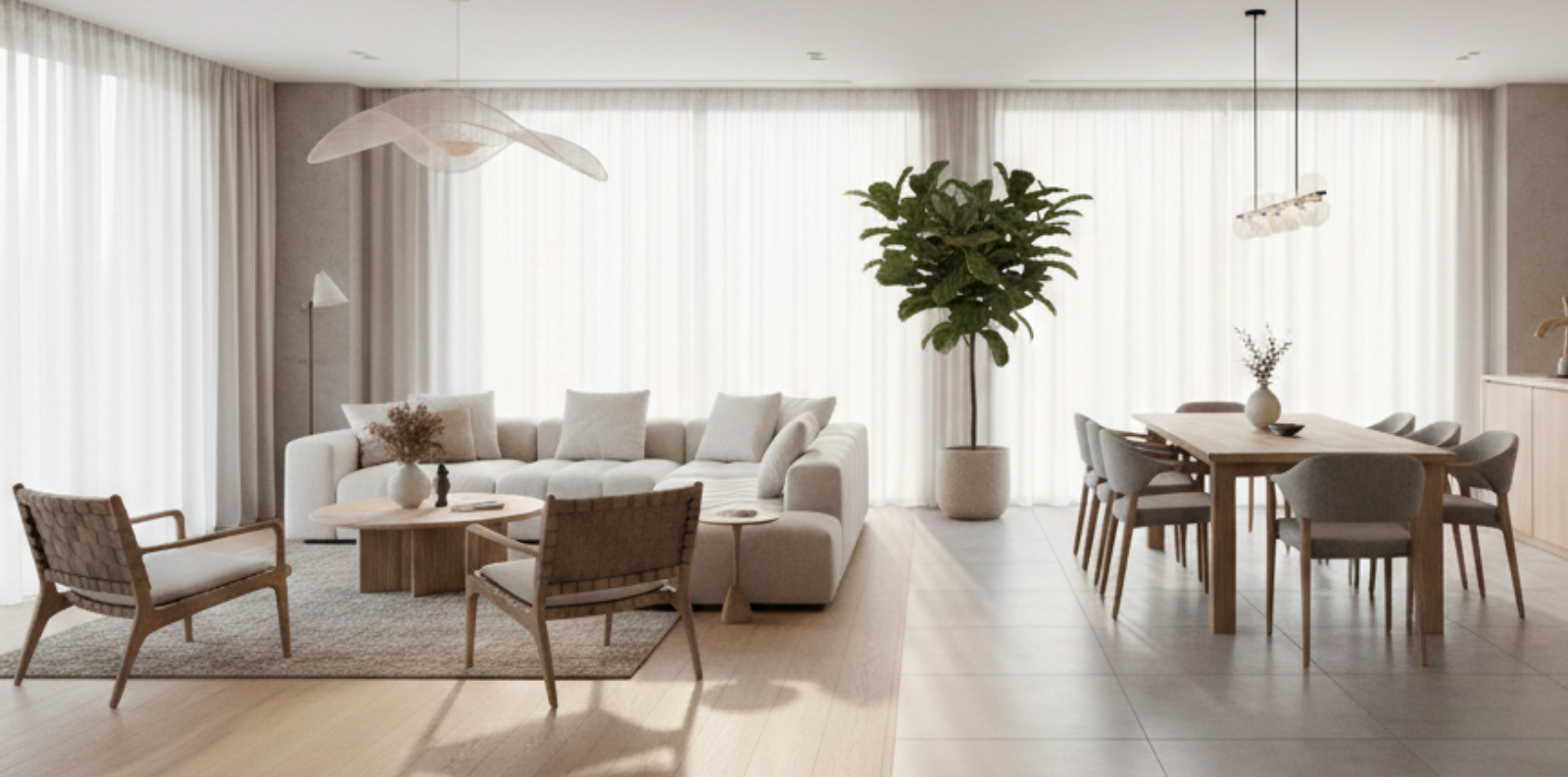
Zoning organizes an interior into activity-based areas. These zones can be defined through furniture, lighting, ceiling treatments, or subtle level changes. Zoning creates structure without sacrificing openness.
Common types of zoning include:
- Public vs. private spaces
- Work vs. relaxation areas
- Wet vs. dry zones
- Social seating vs. solitary nooks
A well-zoned space enhances usability and emotional clarity. Users instinctively understand where to work, relax, or interact.
Balancing Openness and Privacy
Modern interiors often emphasize open spaces, but complete openness can sometimes feel overwhelming or impractical. The art lies in balancing openness with moments of privacy. Strategic partitions, furniture orientation, and lighting help define boundaries while maintaining visual continuity.
For instance:
- Half-height partitions create separation without blocking light
- Bookshelves and consoles serve as subtle dividers
- Screens and sliding panels provide flexible, modular privacy
These elements allow spaces to adapt to changing needs.
Optimizing Natural Light
Spatial planning and natural light are closely linked. Placement of seating areas, work zones, and pathways should respond to available light. Designers often orient key spaces toward natural daylight while placing secondary functions in areas with less light.
Natural light:
- Enhances mood
- Reduces energy usage
- Highlights materials and textures
- Creates depth and dimension
Planning around daylight improves both functionality and emotional impact.
Furniture Placement as a Design Tool
Furniture does more than fill space—it defines space. The right placement encourages interaction, improves comfort, and enhances usability.
Effective furniture placement ensures:
- Clear circulation routes
- Balanced proportions
- Harmonious visual weight
- Proper orientation to light and entry points
Even small adjustments in placement can transform the feel of a room.
The Importance of Flexibility
Modern homes and workplaces must adapt to multiple roles. A flexible layout anticipates future needs, allowing spaces to shift without major redesigns.
Examples include:
- Movable partitions
- Modular seating systems
- Multi-purpose tables
- Sliding doors and adaptable walls
Flexibility supports long-term functionality and sustainability.
Designing With Purpose
Spatial planning is ultimately about intention. When every zone, pathway, and placement is thoughtfully considered, the interior becomes more than a decorated environment—it becomes a supportive and intuitive part of daily life.
Good planning allows a space to breathe, evolve, and reflect those who inhabit it. When done well, it transforms ordinary environments into meaningful experiences.